
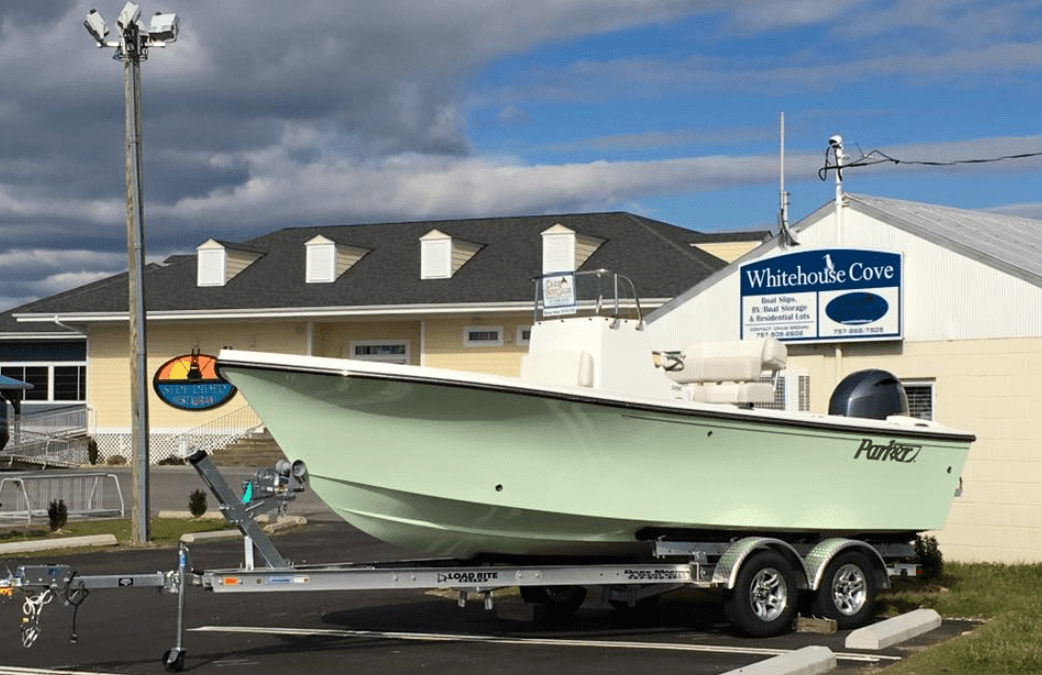
As boating season comes to a close, it’s time to start thinking about boat winterization. Ensuring that your boat is properly winterized is crucial for maintaining its longevity and performance. When you’re docking your boat at Whitehouse Cove Marina, preparing your boat for winter will save you from costly repairs when spring arrives.
This 2025 guide will provide you with all the essential steps and considerations to get your boat ready for the cold months, helping you protect your vessel and its components from the harsh winter conditions of the Chesapeake Bay.
Winterizing your boat involves many important tasks that help protect the engine, hull, and electrical systems from freezing temperatures, moisture, and corrosion. As boat owners know, the Chesapeake Bay’s winter weather can be unpredictable, making proper preparation essential to avoid damage and ensure that your boat is ready for the next season of fun on the water. In this guide, we’ll walk you through everything you need to do to winterize your boat properly, from engine care to storage tips, and make sure your boat is well protected until you return to the water.
Why Winterizing Your Boat is Essential
Proper winterization goes beyond just keeping your boat safe from the cold. A boat that’s been properly winterized is ready for use when spring rolls around, and you won’t have to worry about costly repairs due to winter-related damage. The freezing temperatures of winter can wreak havoc on your boat’s engine, plumbing, and electrical systems.
If not protected, these systems can suffer damage that could take months to repair. Winterizing your boat also helps prevent water from freezing in the engine, fuel lines, or exhaust systems, which can cause cracks or leaks that lead to expensive repairs when the season begins again.
By taking the necessary precautions and preparing your boat for the colder months, you’ll save yourself time, effort, and money in the long run. Taking the time to winterize your boat ensures that it will stay in top condition. Don’t wait until the first frost to get started—follow the steps in this guide to winterize your boat and give yourself peace of mind that it’s safe for the winter season.
Step 1: Clean Your Boat Thoroughly
Before storing your boat for the winter, give it a thorough cleaning. The saltwater of the Chesapeake Bay can leave behind residue and grime, and if left unattended, it can cause corrosion. Start by cleaning the boat’s hull, deck, and interior. This includes washing the boat with fresh water to remove any salt, dirt, and debris. Pay special attention to areas like the bilge and engine compartment, where grime can build up over time. For boats docked in a Hampton Roads marina or any boat slip rental along the Bay, cleaning the boat regularly is crucial for maintaining its condition year-round.
- Wash the hull to remove any saltwater build-up.
- Clean the engine compartment and remove any visible dirt or debris.
- Vacuum or wipe down the interior to eliminate dust or dirt accumulation.
- Rinse out the boat’s bilge to prevent any standing water that may cause mildew or mold.
Step 2: Drain and Flush the Engine
One of the most important steps in winterizing your boat is properly taking care of the engine. Winterizing the engine prevents the water from freezing inside the engine and causing cracks or damage. Start by draining the engine of any excess water and flushing it with fresh water. Flushing your engine removes any saltwater or contaminants that may have built up during the boating season. Make sure the engine runs while flushing to ensure that the entire system gets cleaned. After draining the engine, add a fuel stabilizer to prevent any fuel system issues when you start the engine again in the spring.
- Drain excess water from the engine and plumbing system.
- Flush the engine with fresh water to remove any salt build-up.
Step 3: Protect the Fuel System
Fuel contamination can cause a range of problems for boaters, especially when it sits stagnant over the winter. As part of winterizing your boat, it’s important to treat the fuel system. Fill your fuel tank completely to prevent moisture from accumulating inside the tank, which can lead to rust. Add a fuel stabilizer to keep the fuel fresh during the winter months. This prevents the fuel from breaking down and causing clogging in the fuel lines. For boats with ethanol-blended fuel, this step is especially important, as ethanol can absorb moisture and lead to corrosion or engine problems when you get back on the water in the spring.
- Fill the fuel tank to prevent moisture accumulation.
- Add a fuel stabilizer to keep the fuel fresh and prevent engine issues.
- Check the fuel lines for wear or cracks and replace any damaged hoses.
- Add a fuel stabilizer to prevent fuel from degrading during the winter months.
- Change the engine oil and filter to keep the engine in good condition.
Step 4: Winterize the Plumbing System
If your boat has a plumbing system with fresh water, it’s important to ensure that all water lines are properly winterized. Any water left in the system could freeze and cause the lines to crack or burst. To prevent this, drain the water system completely, including the freshwater tank and all faucets. Add a non-toxic antifreeze specifically designed for marine plumbing systems to protect the pipes from freezing temperatures. If your boat is equipped with a water heater, ensure that it’s drained completely as well.
- Drain all water lines, including the freshwater tank and faucets.
- Use non-toxic antifreeze to protect the plumbing system from freezing.
- Drain the water heater if applicable.
Step 5: Clean and Inspect the Boat’s Electrical System
Winterizing your boat’s electrical system is just as important as the engine. Start by cleaning the battery terminals and checking the battery charge. If the battery is not holding a charge, replace it with a new one. Store the battery in a cool, dry place to prevent it from freezing or deteriorating. In addition, check all the wiring for any signs of corrosion or wear. Also, it is important to disconnect the boat from shore power if it’s not going to be used during the winter.
- Clean battery terminals and check the charge.
- Store the battery in a dry place to prevent freezing.
- Inspect wiring for wear or corrosion.
Step 6: Protect the Exterior and Interior
The boat’s exterior and interior should also be properly protected for the winter months. Applying a coat of wax to the hull helps protect the boat from oxidation and ensures that it’s ready for use when the warmer weather comes. For boats stored in marinas along the Chesapeake Bay, make sure to cover the boat with a durable cover that can protect it from the elements. Inside, remove any items that could be damaged by moisture, such as cushions, electronics, and fabrics. Store these items in a dry place, away from the boat.
- Apply a protective wax coating to the hull to prevent oxidation.
- Use a high-quality cover to protect the boat from harsh winter conditions.
- Remove and store any items that could be damaged by moisture.
Step 7: Inspect the Propeller and Stern Drive
The propeller is one of the most critical components of your boat, and it’s essential to inspect it before storing your boat for the winter. Look for any signs of damage or debris caught around the propeller. Remove any fishing line or debris, as these can cause damage or decrease the boat’s performance. If your boat has a stern drive, make sure to drain the gear lube and replace it with fresh lube before storing your boat.
- Inspect the propeller for any damage or debris.
- Remove fishing line or other debris that could cause damage.
- Drain and replace the gear lube in the stern drive.
Step 8: Final Check and Storage Preparation
Once all these tasks have been completed, do a final check to ensure everything has been properly winterized. This includes verifying that all lines are drained, the boat’s exterior is clean and protected, and the battery and engine are properly prepared. For boats that will be docked at Whitehouse Cove Marina or other marinas in the Hampton Roads area, it’s also important to ensure the boat is secured for storage. If you’re storing the boat on land, ensure that it’s stored on a trailer with proper support to avoid any damage.
- Do a final check to ensure all maintenance steps are complete.
- Secure the boat for storage, whether on land or in a marina slip.
- If storing on land, use proper support to prevent damage to the hull.
That’s a Wrap on Our 2025 Boat Winterization Guide!
Winterizing your boat is a crucial step in ensuring that your vessel remains in great condition and ready to go when boating season returns. By following these essential steps, including checking the engine, fuel system, and electrical system, you’re protecting your boat from potential winter damage. A little preparation now can save you time and money when it’s time to get back on the water.
For those looking to reserve a boat slip for the upcoming boating season, Whitehouse Cove Marina offers boat slip rentals for both annual and transient dockage. Contact us today to secure your spot for the season and ensure that your boat is ready for an unforgettable adventure on the Chesapeake Bay.