
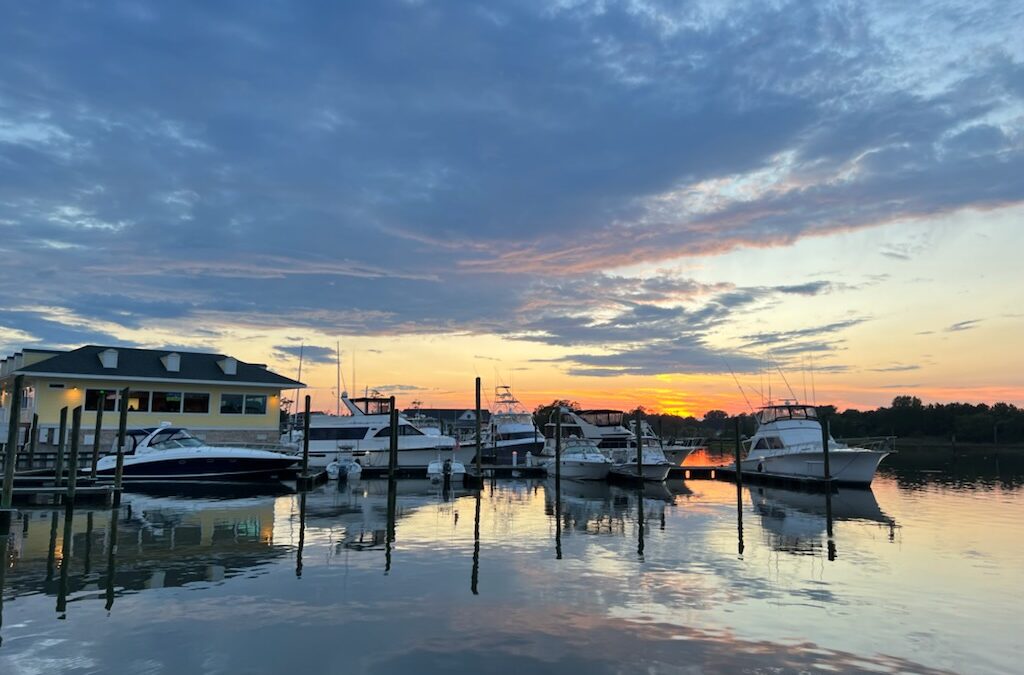
As another Chesapeake Bay boating season winds down, fall is the perfect time to begin preparing your boat for winter storage. While the fundamentals of winterization remain important every year, boating technology, changing weather patterns, and evolving maintenance practices are shaping how boat owners approach off-season prep in 2026.
Today’s boats rely more heavily on electronics, advanced battery systems, integrated fuel management, and digital systems than ever before. Combined with changing winter weather across Virginia, proper storage preparation has become more important than simply draining systems and covering the boat.
Whether your vessel stays in a slip at Whitehouse Cove Marina or is stored elsewhere during the off-season, this Fall 2026 winterization checklist will help you prepare your boat for colder months ahead.
Inspect and Stabilize Fuel Systems Earlier Than Before
Fuel preparation is an important part of winterization, especially for boats that may remain unused for several months. Ethanol-blended fuels can be affected by moisture and extended storage, making it important to follow your engine and fuel-system manufacturer’s recommendations.
Before winter storage:
- Maintain fuel levels according to manufacturer storage guidance
- Add a marine-grade fuel stabilizer when recommended
- Run engines as directed to circulate treated fuel
- Replace fuel filters if needed
- Inspect fuel lines for wear or cracking
Proper fuel preparation helps reduce spring startup issues and protects engine components during storage. For additional maintenance advice, read our boat fuel efficiency tips for Chesapeake Bay boaters.
Battery Maintenance Is More Important in 2026
Modern boats use more electronics and onboard systems than ever before, increasing the importance of battery health during winter.
Recommended battery prep includes:
- Fully charging batteries before storage when appropriate for the battery type
- Disconnecting batteries when recommended
- Inspecting terminals for corrosion
- Following lithium battery manufacturer storage recommendations
- Using compatible smart battery maintainers when recommended
Lithium battery systems are becoming increasingly common, and they often require different storage practices than traditional marine batteries. Always follow the battery manufacturer’s instructions for storage temperature, charge level, and charging conditions.
Don’t Overlook Electronics and Software Updates
Today’s boats often feature advanced chartplotters, integrated navigation systems, radar, sonar, and digital switching controls.
Before winter storage:
- Back up important navigation data
- Review and install compatible software and firmware updates according to manufacturer guidance
- Cover exposed electronics appropriately
- Remove portable screens or accessories if recommended
- Inspect wiring connections for moisture exposure
Maintaining electronics during the off-season helps reduce startup issues and ensures systems are ready for the 2027 boating season.
Inspect and Replace Worn Dock Lines and Fenders
Slip-kept boats throughout the Chesapeake Bay experience continuous exposure to wind, UV rays, and changing water conditions.
Fall inspections should include:
- Frayed dock lines
- Sun-damaged rope fibers
- Cracked fenders
- Worn cleats or hardware
- Improper line tension
Replacing aging equipment before winter storms arrive can help prevent unnecessary damage during the off-season. Check line placement, chafe protection, and allowances for changing water levels as part of your winter docking preparations.
Flush and Winterize Freshwater Systems
Freezing temperatures can cause expensive damage to plumbing and onboard water systems.
Winterization steps should include:
- Draining freshwater systems
- Using marine antifreeze where specified by the equipment manufacturer
- Draining or winterizing water heaters according to manufacturer instructions
- Protecting washdown systems
- Winterizing heads and holding tanks
Even short periods of freezing weather can create major repair issues if systems are not properly protected. Use products approved for the specific onboard systems, and follow the manufacturer’s winterization procedures.
Protect Upholstery and Interior Spaces from Moisture
Fluctuating winter temperatures and humidity can create condensation inside boats, making moisture control an important part of off-season preparation.
Helpful storage prep steps include:
- Cleaning and drying upholstery thoroughly
- Using moisture absorbers inside cabins when appropriate
- Improving ventilation when possible
- Removing damp gear and fabrics
- Inspecting for mildew or mold growth
A clean, dry interior helps preserve your boat throughout the off-season. Check that covers and ventilation arrangements are suitable for the boat and expected weather conditions.
Inspect Hulls, Props, and Underwater Hardware Before Storage
Fall haul-outs or inspections are an ideal time to evaluate underwater components before the boat sits unused for several months.
Inspect:
- Propellers
- Trim tabs
- Through-hull fittings
- Rudders and shafts
- Bottom paint condition
- Sacrificial anodes
Replacing worn anodes and addressing small issues before winter can help prevent more expensive spring repairs. Boats remaining in the water may require a different inspection approach than vessels being hauled out for storage.
Prepare for Unpredictable Winter Weather
Virginia boaters should prepare for changing winter conditions, including temperature swings, coastal storms, strong winds, and fluctuating water levels.
Boaters should prepare for:
- Sudden freezing conditions
- High-wind events
- Heavy rainfall
- Coastal flooding and elevated water levels
Proper covers, secure docking arrangements, and routine winter inspections can help reduce weather-related risks. Boaters should monitor forecasts and have a plan for checking and securing their vessels when conditions warrant.
Keep Safety Equipment Updated During the Off-Season
Fall is an excellent time to replace expired or aging safety equipment before spring arrives.
Inspect and replace as needed:
- Fire extinguishers
- Flares and signaling devices
- Life jackets
- First aid kits
- Emergency communication equipment
Starting the new season with updated safety gear simplifies spring launch preparation. Check expiration dates, equipment condition, and applicable carriage requirements before returning to the water.
Why Marina Access and Winter Monitoring Matter
Keeping a boat at a marina can make it easier for owners to access their vessels for inspections and routine maintenance throughout the winter months. At Whitehouse Cove Marina in Poquoson, Virginia, boaters enjoy convenient access to the Chesapeake Bay and dockside amenities that support year-round boating needs.
Whitehouse Cove Marina offers:
- Covered boat slips up to 60 feet
- Deep water access
- 50/30 Amp electrical service available
- Year-round water for boat slips
- Boat pump-out station
- Wi-Fi
- Floating docks with full-length fingers
Explore the complete list of Whitehouse Cove Marina amenities to learn more about the facilities available to boaters and anglers.
Marina access can simplify owner-arranged winter inspections, but boats still require appropriate winterization and monitoring. Slip holders should make their own arrangements for checking vessels during severe weather and confirm any seasonal requirements with marina management.
Prepare Now for a Better 2027 Boating Season
Proper winterization protects your investment, reduces spring maintenance headaches, and helps extend the life of your boat’s systems and components. Taking a proactive approach during Fall 2026 can help ensure your vessel is ready for another successful Chesapeake Bay boating season when warmer weather returns.
Whitehouse Cove Marina is proud to support Virginia boaters year-round with convenient marina amenities and Chesapeake Bay access. If you’re considering a slip for the upcoming boating season, explore boat slip availability at Whitehouse Cove Marina or contact our marina team for additional information.